

Modern Industrial Facilities: Creating One Team, One Workplace
For decades, industrial buildings have been designed around operational efficiency. Production lines, storage capacity, logistics routes and workshop space understandably took priority, while office environments were often developed separately, both physically and culturally. The result was a workplace divide that many manufacturing and industrial businesses still recognise today: the perception of "office staff" and "shop floor staff" as two distinct groups operating within the same organisation. Modern industrial facilities require a different approach. Today's most successful manufacturing, engineering and industrial businesses understand that their greatest asset is their people. Whether an employee works in production, logistics, customer service, finance, engineering or leadership, every individual contributes to the success of the business. The workplace should reflect that reality.
The Industrial Workplace Has Evolved
Industrial facilities are no longer simply places where products are manufactured, assembled or distributed. They are workplaces where businesses compete for talent, develop future leaders and build company culture. As labour markets become increasingly competitive, the quality of the working environment plays a significant role in attracting and retaining skilled employees. People increasingly expect workplaces that are comfortable, functional and reflective of a modern organisation's values. This doesn't just apply to office environments. Breakout areas, welfare facilities, changing rooms, production offices, meeting spaces and collaborative areas all contribute to the daily experience of employees working across an industrial facility. When these spaces are thoughtfully designed, they create a stronger sense of belonging, encourage collaboration and support a more connected workforce.
Creating a One Team Culture
One of the most common challenges within manufacturing businesses is the separation that can naturally develop between operational teams and professional business services. Often, office environments receive investment and regular upgrades, while operational facilities remain largely unchanged. In other cases, welfare spaces are treated as a compliance requirement rather than an opportunity to improve employee experience. The most forward-thinking organisations are taking a different view. Rather than creating separate experiences for different teams, they are investing in facilities that promote a genuine "one team" culture. Shared breakout areas, welcoming welfare facilities, collaborative meeting spaces and carefully planned circulation routes help bring people together and encourage interaction across departments. These environments help remove traditional barriers and create a workplace where every employee feels equally valued.
Investment Should Be Balanced Across the Entire Workplace
A modern industrial facility should feel cohesive. Whilst office environments may require different furniture, finishes and technologies than manufacturing or warehouse spaces, the overall quality of the experience should remain consistent throughout the building. Employees should not walk from a modern, vibrant office environment into welfare facilities that feel neglected or disconnected from the rest of the workplace. Investment in operational environments and professional business services should be considered equally important. The objective isn't to make every space look identical. It's about ensuring every area feels purposeful, welcoming and aligned with the organisation's standards and culture. When businesses invest consistently across their facilities, they send a powerful message:
Every role matters. Every person matters.
Learning from the SBR Havant Transformation
A recent example of this approach can be seen in our refurbishment project for SBR in Havant. The project involved the transformation of an existing industrial and office facility into a modern workplace designed to better support the organisation's operational and business needs. The scheme included new breakout spaces, meeting facilities, collaboration zones, reconfigured open-plan office areas and enhancements to the wider industrial environment. Rather than treating the office and industrial elements as separate projects, the focus was on creating a connected workplace experience that supported the entire workforce. The result was a facility designed not only to improve functionality and operational efficiency, but also to strengthen company culture and create a more engaging environment for employees across the business.
You can explore the project in more detail here: SBR Havant Industrial & Office Re-Fit Case Study
Future-Proofing Industrial Buildings
Many industrial buildings were never designed with modern workplace expectations in mind. However, relocating isn't always necessary. Through strategic refurbishment and fit out, businesses can unlock significant value from their existing facilities by:
Modernising welfare and breakout spaces
Creating flexible collaboration areas
Improving workspace layouts
Enhancing accessibility
Supporting future growth
Reinforcing company culture
Improving employee wellbeing
These improvements don't just benefit today's workforce. They help future-proof facilities for years to come.
Designing for People, Not Just Processes
Operational efficiency will always be fundamental to industrial facilities. Production output, logistics performance and workflow optimisation remain critical considerations. But the most successful facilities balance operational requirements with human experience. Businesses that invest in their people through better workplace environments are often better positioned to attract talent, improve retention and foster stronger organisational cultures. As industrial workplaces continue to evolve, the conversation is shifting beyond storage capacity, production lines and office space. The future of industrial design is about creating workplaces where people feel connected, valued and motivated to contribute to a shared goal. Because the strongest manufacturing and industrial businesses aren't built solely on processes and equipment.
They're built on people.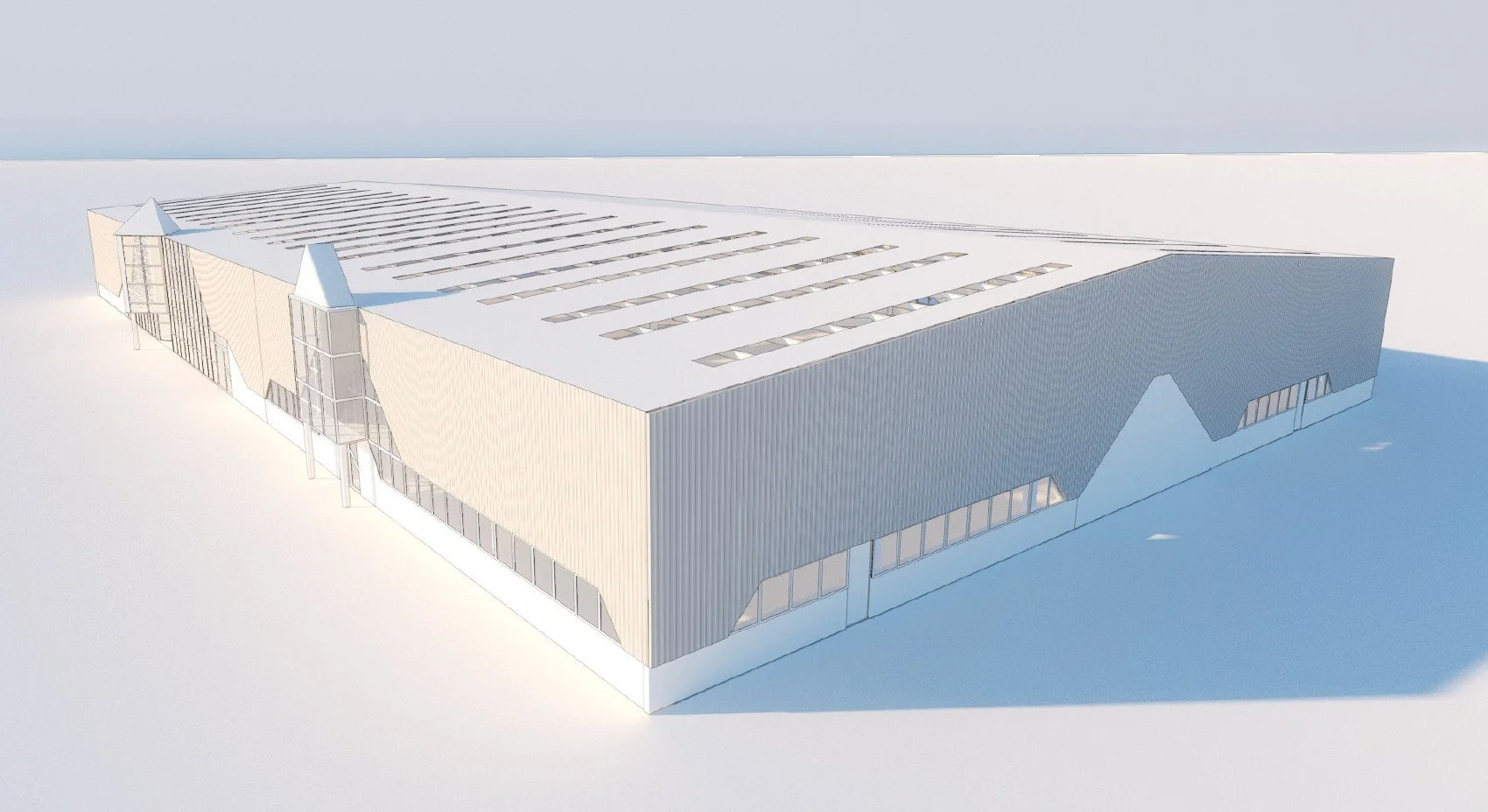
Work in Progress - Industrial Fit Out - Waterlooville